CNC Machining Quotes: Why 2D Drawings and 3D Models Matter
A CNC machining quote depends on both the part shape and the requirements the finished part must meet. A 3D model helps explain the geometry, while a 2D engineering drawing can identify critical dimensions, tolerances, threads and surface requirements. Sharing both, when available, helps the supplier review the intended part and identify missing information before confirming a price.
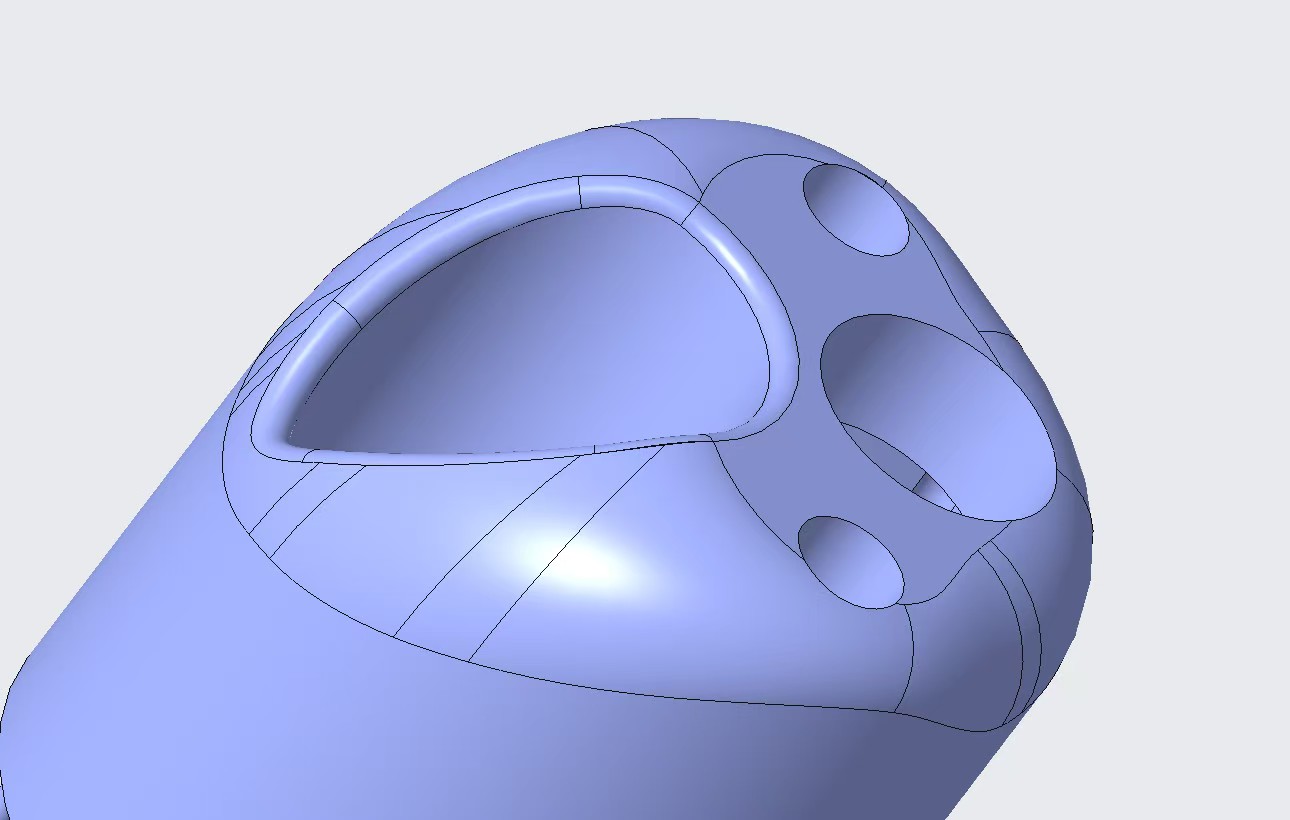
1. What does a 3D model show?
A solid CAD model, such as a STEP file, helps communicate the overall shape, pockets, holes and relationships between features. It supports a review of machining access and the likely manufacturing steps. Include the part number and units, and provide an agreed file format that the supplier can open.
Do not assume a geometry-only model communicates every manufacturing requirement. Some models contain product manufacturing information; if yours does, identify it so the supplier can confirm how that information will be reviewed.
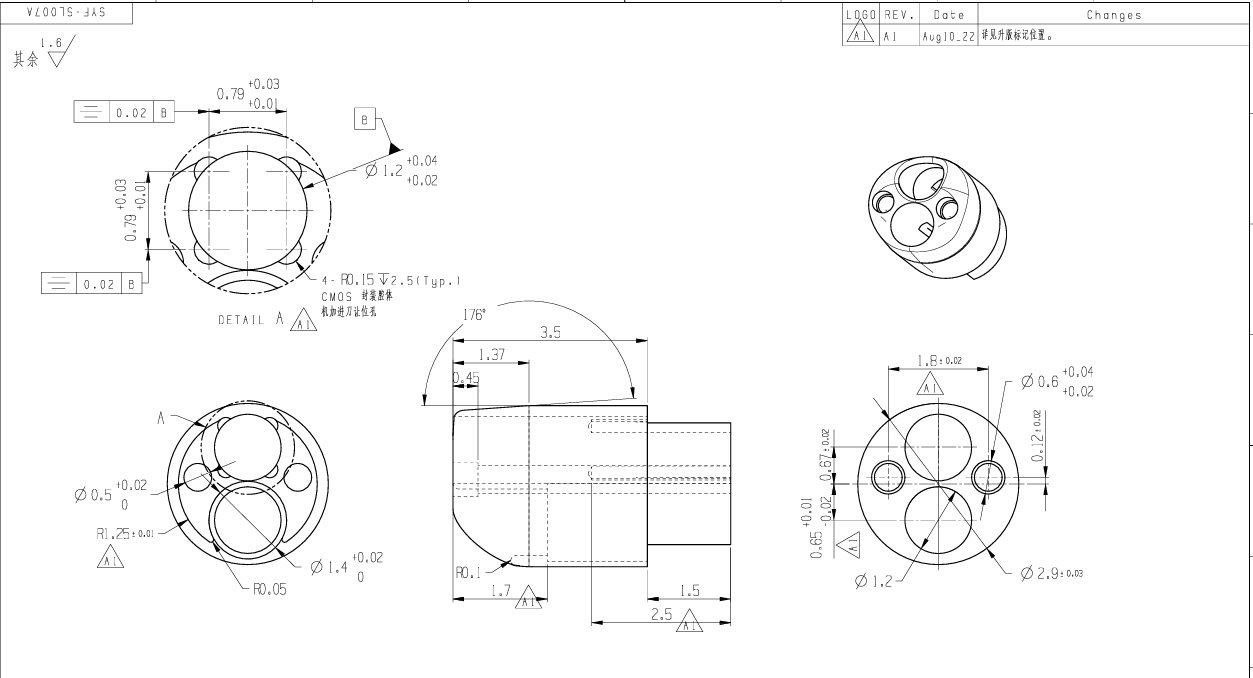
2. What should the 2D drawing make clear?
Use the drawing to explain requirements that affect assembly and acceptance: critical dimensions, their tolerances, relevant datums, thread sizes and depths, material grade, surface roughness and finishing requirements. Make the notes readable and provide enough views or sections to show the relevant features.
If two similar parts have different slots or hole positions, identify the difference in each part’s drawing or a clearly linked revision. A message saying that only the slot is different leaves the size and location unresolved.
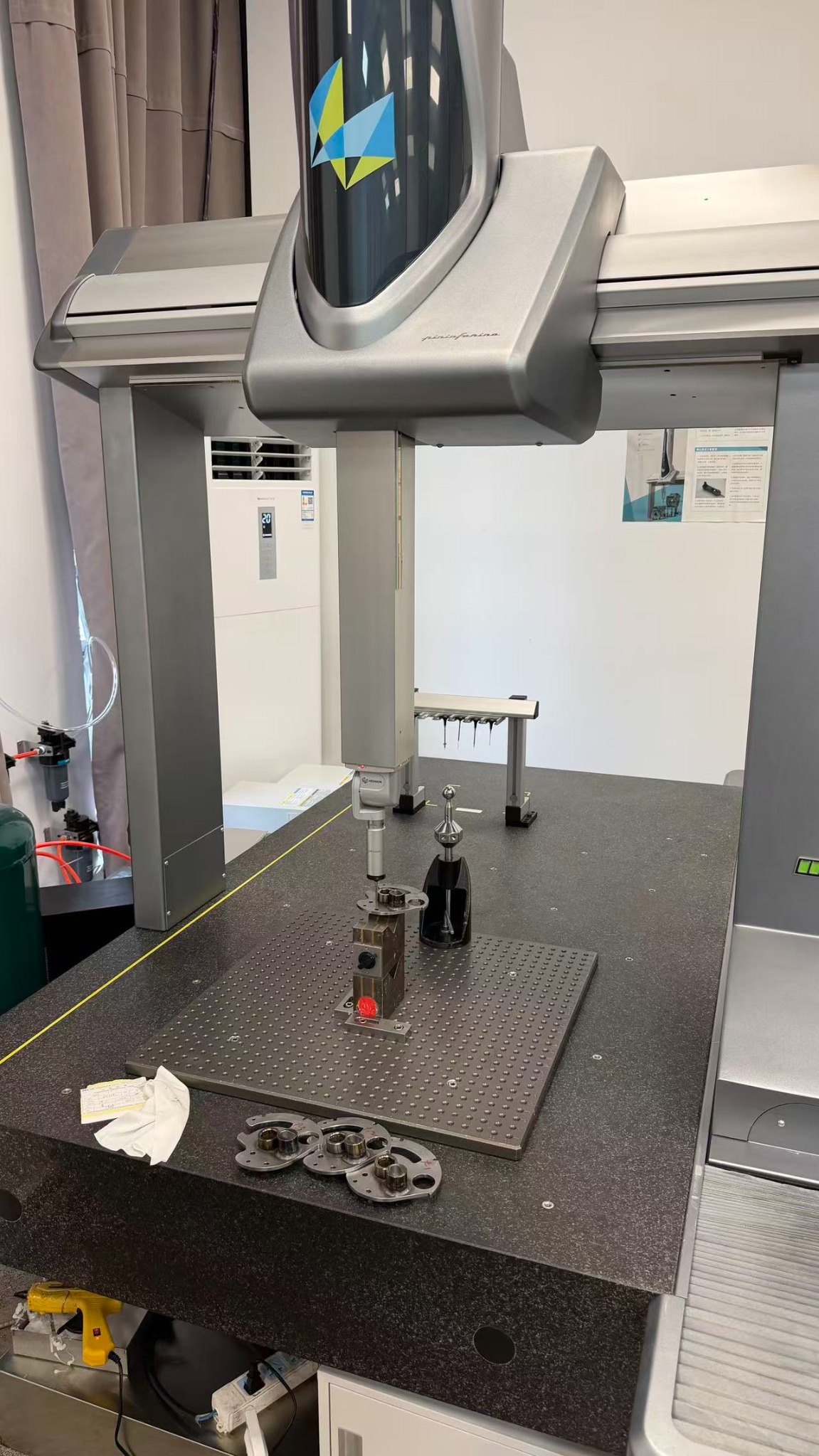
3. Which dimensions need tight tolerances?
Mark the features that control fit, alignment, sealing or other functional requirements. A single precision bore does not mean every dimension needs the same tolerance. State whether a value is a size limit, a bilateral tolerance or a geometric requirement, and make the units clear.
For example, a note saying only “0.01” does not identify the controlled feature or fully define its acceptance limits. The drawing should state the intended requirement. Any proposed change to a tolerance must be reviewed and approved by the customer before manufacture.
4. What if you only have a 3D model?
Send the available model together with the material, quantity for each part, intended use and required delivery date. Identify any known mating features or special requirements. Kianzee can review the available information with its manufacturing partners and identify what needs clarification for the particular part.
Depending on the part, an initial feasibility review or preliminary estimate may be possible. A price based on unresolved tolerances or finishing requirements should state its assumptions. The manufacturing and acceptance requirements need to be confirmed before production.
5. Why do materials, quantities and finishes affect the quote?
Specify the material grade and any required condition or heat treatment. If coating or plating is needed, identify the treatment and any relevant thickness, appearance or protected-area requirements. Also state whether specified dimensions apply before or after finishing.
For multiple parts, list each part number with its sample quantity and order quantity. Distinguish a single order from an estimated annual requirement. Setup and programming can affect sample pricing, so the unit price for a few samples may differ from a later batch; the actual difference needs a part-specific quotation.
6. How should buyers handle revised files and delivery needs?
Keep the drawing and model consistent and identify their revisions. When dimensions or features differ, clarify the conflict rather than asking the supplier to choose a version. Changes to geometry, material or finish may require the quotation to be reviewed.
Provide a required delivery date rather than only “as soon as possible.” An optional target price can help the discussion, but it does not replace technical requirements. Delivery and price are confirmed after the part, quantity and agreed scope have been reviewed.
7. What can you send to Kianzee first?
Start with your available drawing or model, the quantity for each part, material and surface requirements, and any known critical features. If there are several parts, include a short parts list so files and quantities can be matched. Kianzee works with manufacturing partners to supply custom precision components and mechanical assemblies, and can discuss the information needed for engineering review and quotation.
Explore our CNC precision machining capabilities.
For fabricated sheet-metal parts, see our Precision Sheet Metal Parts: RFQ Checklist for OEM Buyers.
Contact: [email protected]
Related Guide
CNC Machining Tolerances: Which Features Need Tighter Control?