Powder Coating Masking: Holes, Threads and Mating Surfaces
Powder coating adds a surface layer, so a part that fits before finishing may fit differently afterwards. Before production, identify the functional areas that must remain uncoated and the dimensions that apply to the finished part. The masking plan should form part of the agreed drawing and finishing requirements.
Surface finishing workshop. This overview does not illustrate a specific masking arrangement.
1. Check features where coating affects fit
Review holes, slots, tabs, threads and mating or sliding surfaces. Coating inside an opening can reduce clearance, while coating on an external feature can increase its size. The effect depends on the specified coating and geometry; do not assume one fixed allowance works for every part.
2. Mark the masking boundary
Identify the exact holes or surfaces to protect, including the relevant extent. A note such as “mask critical areas” leaves the finisher to guess which features matter. Use a marked drawing or clearly linked detail view, and resolve any conflict with the finish specification before work begins.
3. Review exposed areas with the material and function
A surface left uncoated may have different corrosion or appearance requirements. Agree the intended treatment for exposed areas rather than assuming bare metal is always acceptable. If an electrical contact area is involved, its design and verification belong in the equipment’s engineering requirements; masking alone does not establish system compliance.
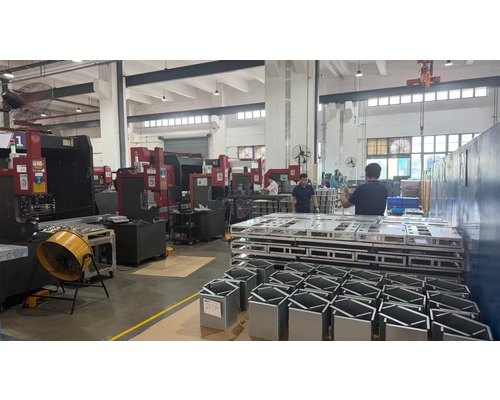
Sheet metal frames and panels. Masking details must be defined on the part drawing.
4. Define the finished inspection condition
State which dimensions are checked after coating and what appearance reference applies to visible surfaces. Identify acceptable masking boundaries where they affect assembly. An approved sample can help communicate appearance, but it should be linked to the agreed material, finish and drawing revision.
5. Confirm the plan before the repeat order
Review the sample with the mating components when the project requires an assembly check. Record any approved change to masking or finishing before repeat production. Manufacturing proposals to alter openings or add a secondary operation require customer approval; they should not be introduced silently.
Discuss your finishing requirements
Kianzee provides sheet metal fabrication, finishing and assembly within an agreed project scope. Send the drawing, material, finish reference, masking details and quantities for review. Required inspection and appearance documentation should be included in the enquiry. Contact: [email protected].